Rice

Buy Rice Online in Japan – Basmati, Jasmine, Japanese & More

Finding the right rice can make a big difference to the taste, texture, and aroma of your meal. At AL MODINA Halal Food Japan, we bring together a wide selection of rice for everyday cooking, biryani, pulao, curry, sushi, fried rice, desserts, and traditional dishes from around the world.

Whether you are looking for fragrant Basmati rice, aromatic Jasmine rice, Japanese short-grain rice, Bangladeshi aromatic rice, long-grain rice, or other specialty varieties, you can conveniently shop for rice online in Japan from one place.

Our rice collection is especially useful for customers from South Asia, Southeast Asia, the Middle East, and international communities living in Japan who want rice varieties commonly used in their home cooking.

Product varieties, brands, and package sizes may vary depending on current stock.

Why Choosing the Right Rice Matters

Rice may look simple, but different varieties behave very differently when cooked.

Some rice becomes soft and slightly sticky, while other varieties remain long, fluffy, and separate. The right choice depends largely on what you are cooking.

For example:

  • Basmati rice is ideal for biryani and pulao.
  • Japanese short-grain rice works well for sushi, onigiri, and Japanese meals.
  • Jasmine rice pairs beautifully with Thai and Southeast Asian dishes.
  • Long-grain rice is suitable for fried rice, curries, and everyday meals.
  • Glutinous rice is commonly used for sticky rice dishes and desserts.

Choosing the right variety helps you get the texture and flavor your recipe is supposed to have.

Basmati Rice

Basmati is one of the most popular rice varieties for South Asian and Middle Eastern cooking.

Known for its long grains and distinctive aroma, quality basmati rice becomes light and fluffy when properly cooked. The grains separate well, making it especially suitable for dishes where appearance and texture are important.

Basmati rice is commonly used for:

  • Biryani
  • Pulao
  • Kabsa
  • Mandi
  • Pilaf
  • Indian and Pakistani curries
  • Bangladeshi rice dishes
  • Middle Eastern meals

AL MODINA carries different basmati rice brands and pack sizes depending on availability, making it easier to choose an option for regular family meals, special occasions, or larger households.

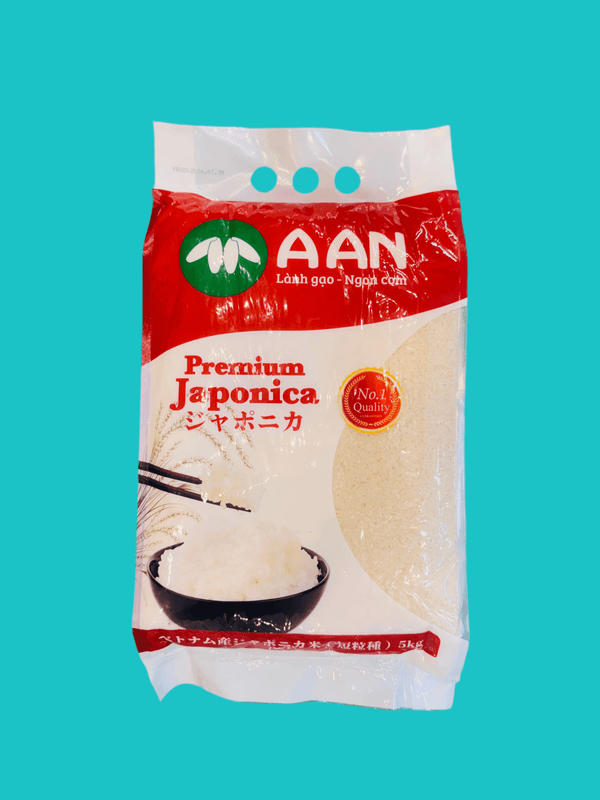
Japanese Rice

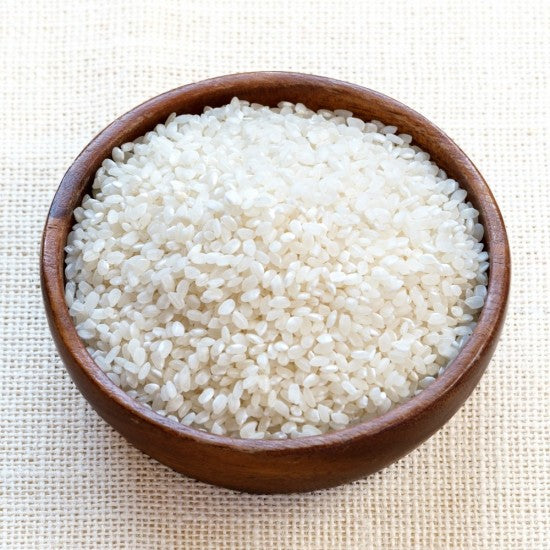
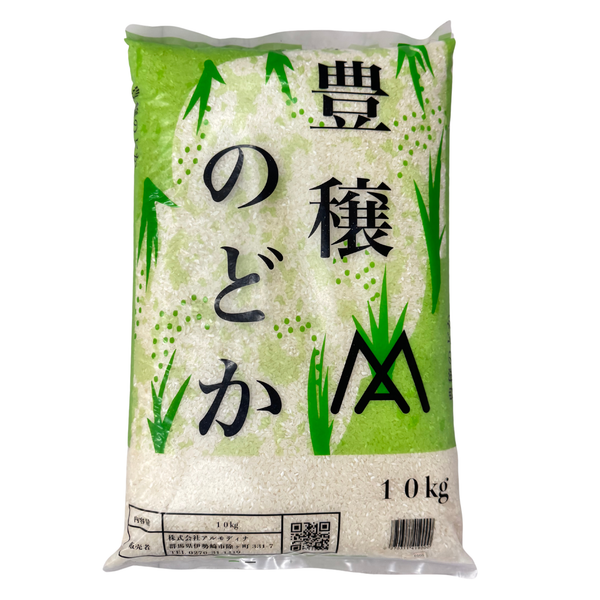
Japanese rice is usually a short-grain or medium-grain rice with a soft, slightly sticky texture after cooking.

Unlike basmati or other long-grain varieties, Japanese rice holds together well, which makes it ideal for many traditional Japanese dishes.

Japanese rice is commonly used for:

  • Sushi
  • Onigiri
  • Donburi
  • Japanese curry rice
  • Bento meals
  • Everyday steamed rice

If you enjoy Japanese cooking or prefer softer rice with a slightly sticky texture, Japanese rice is an excellent choice.

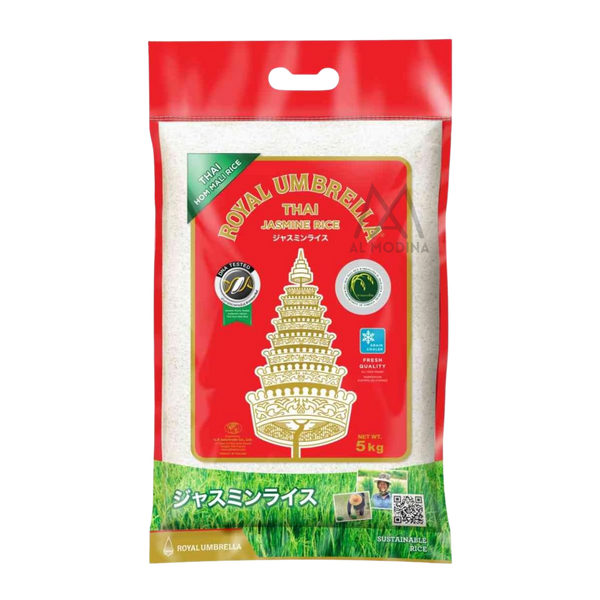
Jasmine Rice

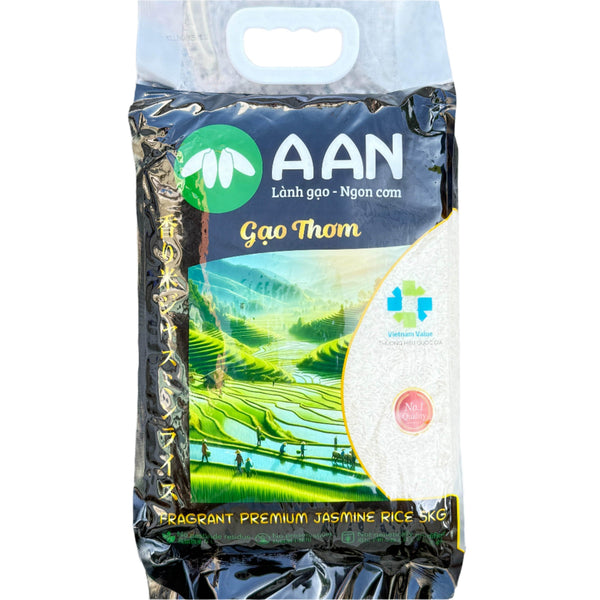
Jasmine rice is a fragrant long-grain rice commonly associated with Thai and Southeast Asian cuisine.

When cooked, it has a soft texture and delicate aroma while still retaining more grain separation than Japanese short-grain rice.

Jasmine rice works particularly well with:

  • Thai curry
  • Stir-fried dishes
  • Grilled meat
  • Southeast Asian soups
  • Fried rice
  • Chicken and seafood dishes

For customers looking for Thai rice in Japan, jasmine rice is one of the most versatile choices to keep at home.

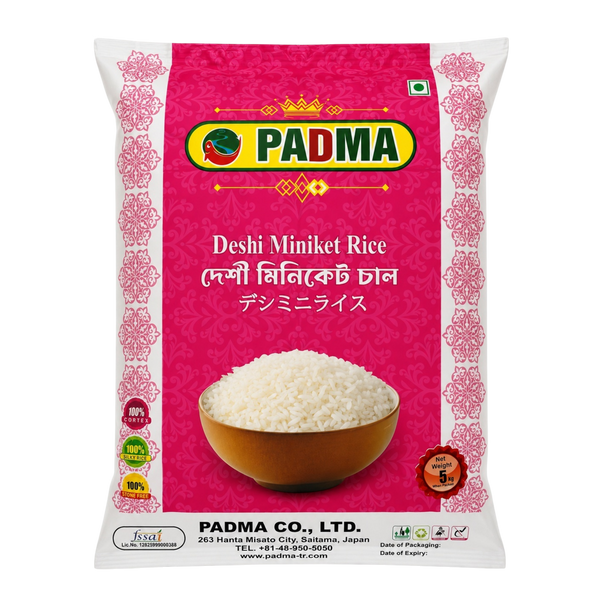
Bangladeshi Aromatic Rice

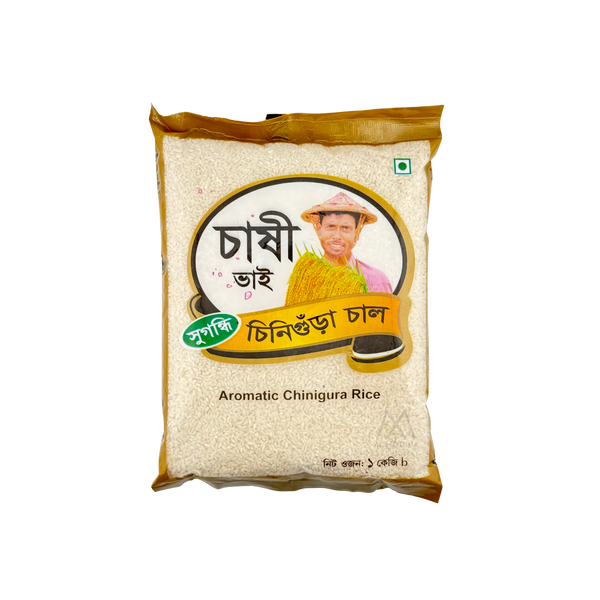
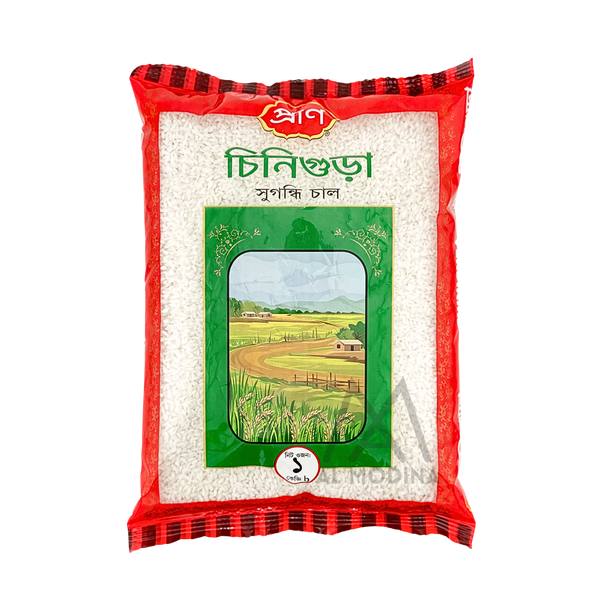
Traditional Bangladeshi aromatic rice varieties are especially popular for festive meals and special recipes.

These varieties are often smaller and more delicate than basmati but offer their own distinctive aroma and texture.

Aromatic rice can be used for dishes such as:

  • Polao
  • Kacchi biryani
  • Tehari
  • Khichuri
  • Payesh
  • Special occasion meals

Depending on availability, AL MODINA stocks different Bangladeshi and South Asian rice varieties suitable for traditional home cooking.

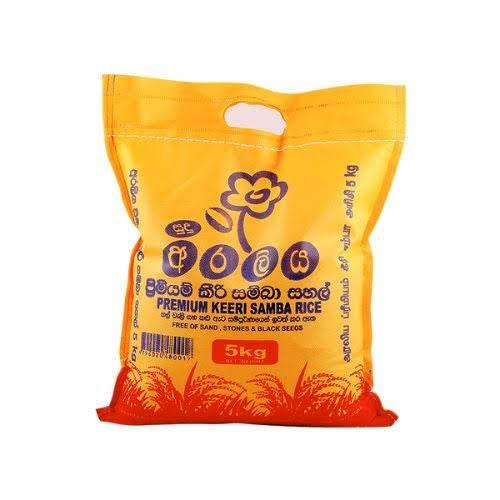
Long-Grain Rice

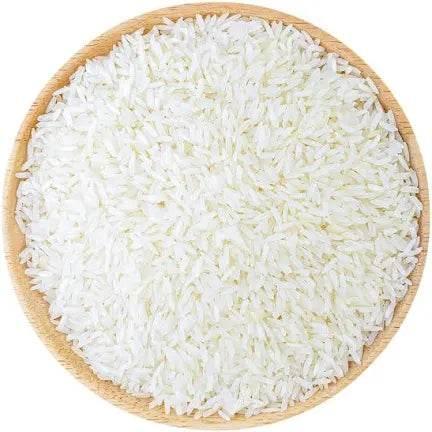
Long-grain rice is an excellent everyday option because the grains generally remain separate after cooking.

It can be used for a wide range of cuisines and is particularly useful when you want rice that is less sticky.

Long-grain rice works well for:

  • Fried rice
  • Curries
  • Rice bowls
  • Pilaf
  • Mexican-style rice
  • Meat dishes
  • Everyday family meals

Different countries produce different long-grain varieties, so texture and aroma can vary from one product to another.

Glutinous & Sticky Rice

Glutinous rice, also known as sticky rice or sweet rice, develops a very sticky texture when cooked.

Despite its name, “glutinous” refers to the sticky texture of the rice rather than ordinary wheat gluten.

Sticky rice is commonly used for:

  • Thai sticky rice
  • Mango sticky rice
  • Asian desserts
  • Mochi-style preparations
  • Traditional Southeast Asian dishes

It is quite different from regular long-grain rice, so it is best used for recipes specifically designed for sticky rice.

Brown Rice & Specialty Rice

Customers looking beyond ordinary white rice may also find brown rice and other specialty varieties in our collection depending on stock.

Brown rice retains more of the outer grain layer than white rice and usually has a firmer, slightly nutty texture.

Specialty rice varieties may include different aromatic, colored, regional, or premium rice products from around the world.

These options are useful for customers who want to experiment with different textures and cuisines.

Which Rice Is Best for Biryani?

For biryani, Basmati rice is usually the preferred choice.

Its long grains, aroma, and ability to stay separate after cooking make it particularly suitable for layered biryani dishes.

For best results:

  • Rinse the rice before cooking.
  • Soak basmati rice before cooking when appropriate.
  • Avoid overcooking.
  • Use enough water for the specific rice variety.
  • Follow the instructions on the package where available.

Premium or aged basmati varieties can provide especially long grains and a stronger aroma.

Which Rice Is Best for Everyday Meals?

The answer depends on the type of food you usually cook.

For Japanese meals, Japanese short-grain rice is an easy everyday choice.

For South Asian curry, basmati or other long-grain rice works very well.

For Thai or Southeast Asian food, jasmine rice is a popular option.

Many households keep more than one type of rice at home—for example, regular rice for daily meals and premium basmati or aromatic rice for special dishes.

Choosing the Right Package Size

Rice is available in many different package sizes.

Small Packs

Smaller packages are useful when trying a new variety or when you do not consume rice frequently.

They are also easier to store in smaller kitchens.

Medium Packs

Medium-size rice bags are suitable for regular household use and provide a good balance between convenience and value.

Large Packs

Larger rice bags can be more practical for families, restaurants, shared households, or anyone who cooks rice frequently.

Before buying a large bag, make sure you have a cool and dry storage area available.

How to Store Rice Properly

Good storage helps preserve the quality, aroma, and texture of rice.

Keep rice in a cool and dry place, away from direct sunlight, heat, and moisture.

After opening the package, transferring the rice into a clean airtight container can help protect it from:

  • Humidity
  • Insects
  • Strong odors
  • Kitchen moisture

Japan can become particularly humid during warmer months, so proper storage is important.

Always check the product packaging for any specific storage instructions.

Cooking Different Types of Rice

Cooking methods can vary considerably between rice varieties.

Basmati Rice

Rinse the rice until the water becomes clearer. Depending on the variety and recipe, soaking it before cooking can help the grains become longer and more evenly cooked.

Japanese Rice

Japanese rice is usually rinsed carefully before cooking. A rice cooker is one of the easiest ways to achieve consistent results.

Jasmine Rice

Jasmine rice generally requires less soaking than basmati. Use the recommended water ratio on the package because different brands can absorb water differently.

Sticky Rice

Sticky rice often requires a completely different preparation method, including soaking or steaming depending on the recipe.

Because rice varieties and processing methods differ, package cooking instructions should always take priority.

Rice for Different Dishes

Choosing rice based on the dish makes shopping much easier.

For Biryani:
Choose quality basmati rice with long grains and good aroma.

For Pulao:
Basmati or aromatic South Asian rice works particularly well.

For Japanese Curry:
Japanese short-grain rice is the traditional choice.

For Sushi and Onigiri:
Use Japanese short-grain or rice specifically suitable for sushi.

For Thai Curry:
Jasmine rice is an excellent match.

For Fried Rice:
Jasmine, long-grain, or cooked rice that has been cooled works well depending on the cuisine.

For Traditional Bangladeshi Dishes:
Choose basmati, aromatic rice, or other regional varieties according to the recipe.

Why Buy Rice Online in Japan?

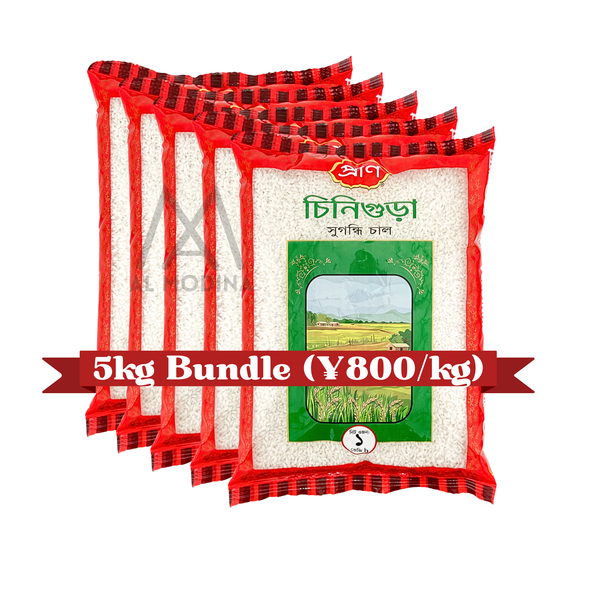
Rice can be heavy, especially when purchasing 5 kg, 10 kg, or larger bags.

Buying rice online makes it easier to compare different varieties, package sizes, and brands without carrying heavy bags home from multiple stores.

At AL MODINA, customers can shop for rice alongside other groceries such as halal meat, spices, lentils, flour, oil, sauces, and everyday cooking essentials.

This makes it convenient to prepare a complete grocery order instead of shopping at several different stores.

Rice for International Cooking in Japan

One of the challenges of living abroad is finding the ingredients needed to recreate familiar meals.

Japanese supermarkets naturally offer excellent Japanese rice, but customers cooking Bangladeshi, Pakistani, Indian, Middle Eastern, Thai, Indonesian, Vietnamese, and other international dishes may require very different rice varieties.

Our goal is to make those products easier to find in Japan.

From everyday steamed rice to fragrant biryani, pulao, curry, fried rice, sushi, and festive meals, having the right rice at home makes authentic cooking much easier.

Frequently Asked Questions About Rice

Which rice is best for biryani?

Long-grain basmati rice is generally the best choice for biryani because of its aroma, grain length, and fluffy texture.

What is the difference between basmati and jasmine rice?

Both are aromatic long-grain varieties, but basmati generally becomes drier and more separate after cooking, while jasmine rice tends to be softer and slightly more moist.

Can Japanese rice be used for curry?

Yes. Japanese short-grain rice is the traditional accompaniment to Japanese curry because its soft, slightly sticky texture pairs well with the curry sauce.

Is sticky rice the same as Japanese rice?

No. Japanese short-grain rice is naturally sticky when cooked, but glutinous or sticky rice is a different type of rice with a much more adhesive texture.

Which rice should I buy for everyday cooking?

That depends on your cuisine. Japanese rice is ideal for Japanese meals, basmati works well with South Asian and Middle Eastern dishes, while jasmine rice is excellent for Southeast Asian cooking.

Do you sell different sizes of rice?

Our available brands, varieties, and pack sizes change according to current inventory. Check the products in this collection for the latest options.

Shop Rice Online from AL MODINA Halal Food Japan

Explore our rice collection and choose the variety that best matches your cooking style.

Whether you need Basmati rice for biryani, Japanese rice for everyday meals, fragrant jasmine rice, Bangladeshi aromatic rice, or another specialty variety, AL MODINA makes it easy to shop for rice together with the ingredients you need for your favorite recipes.

Order conveniently online and discover rice varieties from different cuisines, available for customers across Japan.
13点の商品

13点の商品

Buy Rice Online in Japan – Basmati, Jasmine, Japanese & More

Finding the right rice can make a big difference to the taste, texture, and aroma of your meal. At AL MODINA Halal Food Japan, we bring together a wide selection of rice for everyday cooking, biryani, pulao, curry, sushi, fried rice, desserts, and traditional dishes from around the world.

Whether you are looking for fragrant Basmati rice, aromatic Jasmine rice, Japanese short-grain rice, Bangladeshi aromatic rice, long-grain rice, or other specialty varieties, you can conveniently shop for rice online in Japan from one place.

Our rice collection is especially useful for customers from South Asia, Southeast Asia, the Middle East, and international communities living in Japan who want rice varieties commonly used in their home cooking.

Product varieties, brands, and package sizes may vary depending on current stock.

Why Choosing the Right Rice Matters

Rice may look simple, but different varieties behave very differently when cooked.

Some rice becomes soft and slightly sticky, while other varieties remain long, fluffy, and separate. The right choice depends largely on what you are cooking.

For example:

  • Basmati rice is ideal for biryani and pulao.
  • Japanese short-grain rice works well for sushi, onigiri, and Japanese meals.
  • Jasmine rice pairs beautifully with Thai and Southeast Asian dishes.
  • Long-grain rice is suitable for fried rice, curries, and everyday meals.
  • Glutinous rice is commonly used for sticky rice dishes and desserts.

Choosing the right variety helps you get the texture and flavor your recipe is supposed to have.

Basmati Rice

Basmati is one of the most popular rice varieties for South Asian and Middle Eastern cooking.

Known for its long grains and distinctive aroma, quality basmati rice becomes light and fluffy when properly cooked. The grains separate well, making it especially suitable for dishes where appearance and texture are important.

Basmati rice is commonly used for:

  • Biryani
  • Pulao
  • Kabsa
  • Mandi
  • Pilaf
  • Indian and Pakistani curries
  • Bangladeshi rice dishes
  • Middle Eastern meals

AL MODINA carries different basmati rice brands and pack sizes depending on availability, making it easier to choose an option for regular family meals, special occasions, or larger households.

Japanese Rice

Japanese rice is usually a short-grain or medium-grain rice with a soft, slightly sticky texture after cooking.

Unlike basmati or other long-grain varieties, Japanese rice holds together well, which makes it ideal for many traditional Japanese dishes.

Japanese rice is commonly used for:

  • Sushi
  • Onigiri
  • Donburi
  • Japanese curry rice
  • Bento meals
  • Everyday steamed rice

If you enjoy Japanese cooking or prefer softer rice with a slightly sticky texture, Japanese rice is an excellent choice.

Jasmine Rice

Jasmine rice is a fragrant long-grain rice commonly associated with Thai and Southeast Asian cuisine.

When cooked, it has a soft texture and delicate aroma while still retaining more grain separation than Japanese short-grain rice.

Jasmine rice works particularly well with:

  • Thai curry
  • Stir-fried dishes
  • Grilled meat
  • Southeast Asian soups
  • Fried rice
  • Chicken and seafood dishes

For customers looking for Thai rice in Japan, jasmine rice is one of the most versatile choices to keep at home.

Bangladeshi Aromatic Rice

Traditional Bangladeshi aromatic rice varieties are especially popular for festive meals and special recipes.

These varieties are often smaller and more delicate than basmati but offer their own distinctive aroma and texture.

Aromatic rice can be used for dishes such as:

  • Polao
  • Kacchi biryani
  • Tehari
  • Khichuri
  • Payesh
  • Special occasion meals

Depending on availability, AL MODINA stocks different Bangladeshi and South Asian rice varieties suitable for traditional home cooking.

Long-Grain Rice

Long-grain rice is an excellent everyday option because the grains generally remain separate after cooking.

It can be used for a wide range of cuisines and is particularly useful when you want rice that is less sticky.

Long-grain rice works well for:

  • Fried rice
  • Curries
  • Rice bowls
  • Pilaf
  • Mexican-style rice
  • Meat dishes
  • Everyday family meals

Different countries produce different long-grain varieties, so texture and aroma can vary from one product to another.

Glutinous & Sticky Rice

Glutinous rice, also known as sticky rice or sweet rice, develops a very sticky texture when cooked.

Despite its name, “glutinous” refers to the sticky texture of the rice rather than ordinary wheat gluten.

Sticky rice is commonly used for:

  • Thai sticky rice
  • Mango sticky rice
  • Asian desserts
  • Mochi-style preparations
  • Traditional Southeast Asian dishes

It is quite different from regular long-grain rice, so it is best used for recipes specifically designed for sticky rice.

Brown Rice & Specialty Rice

Customers looking beyond ordinary white rice may also find brown rice and other specialty varieties in our collection depending on stock.

Brown rice retains more of the outer grain layer than white rice and usually has a firmer, slightly nutty texture.

Specialty rice varieties may include different aromatic, colored, regional, or premium rice products from around the world.

These options are useful for customers who want to experiment with different textures and cuisines.

Which Rice Is Best for Biryani?

For biryani, Basmati rice is usually the preferred choice.

Its long grains, aroma, and ability to stay separate after cooking make it particularly suitable for layered biryani dishes.

For best results:

  • Rinse the rice before cooking.
  • Soak basmati rice before cooking when appropriate.
  • Avoid overcooking.
  • Use enough water for the specific rice variety.
  • Follow the instructions on the package where available.

Premium or aged basmati varieties can provide especially long grains and a stronger aroma.

Which Rice Is Best for Everyday Meals?

The answer depends on the type of food you usually cook.

For Japanese meals, Japanese short-grain rice is an easy everyday choice.

For South Asian curry, basmati or other long-grain rice works very well.

For Thai or Southeast Asian food, jasmine rice is a popular option.

Many households keep more than one type of rice at home—for example, regular rice for daily meals and premium basmati or aromatic rice for special dishes.

Choosing the Right Package Size

Rice is available in many different package sizes.

Small Packs

Smaller packages are useful when trying a new variety or when you do not consume rice frequently.

They are also easier to store in smaller kitchens.

Medium Packs

Medium-size rice bags are suitable for regular household use and provide a good balance between convenience and value.

Large Packs

Larger rice bags can be more practical for families, restaurants, shared households, or anyone who cooks rice frequently.

Before buying a large bag, make sure you have a cool and dry storage area available.

How to Store Rice Properly

Good storage helps preserve the quality, aroma, and texture of rice.

Keep rice in a cool and dry place, away from direct sunlight, heat, and moisture.

After opening the package, transferring the rice into a clean airtight container can help protect it from:

  • Humidity
  • Insects
  • Strong odors
  • Kitchen moisture

Japan can become particularly humid during warmer months, so proper storage is important.

Always check the product packaging for any specific storage instructions.

Cooking Different Types of Rice

Cooking methods can vary considerably between rice varieties.

Basmati Rice

Rinse the rice until the water becomes clearer. Depending on the variety and recipe, soaking it before cooking can help the grains become longer and more evenly cooked.

Japanese Rice

Japanese rice is usually rinsed carefully before cooking. A rice cooker is one of the easiest ways to achieve consistent results.

Jasmine Rice

Jasmine rice generally requires less soaking than basmati. Use the recommended water ratio on the package because different brands can absorb water differently.

Sticky Rice

Sticky rice often requires a completely different preparation method, including soaking or steaming depending on the recipe.

Because rice varieties and processing methods differ, package cooking instructions should always take priority.

Rice for Different Dishes

Choosing rice based on the dish makes shopping much easier.

For Biryani:
Choose quality basmati rice with long grains and good aroma.

For Pulao:
Basmati or aromatic South Asian rice works particularly well.

For Japanese Curry:
Japanese short-grain rice is the traditional choice.

For Sushi and Onigiri:
Use Japanese short-grain or rice specifically suitable for sushi.

For Thai Curry:
Jasmine rice is an excellent match.

For Fried Rice:
Jasmine, long-grain, or cooked rice that has been cooled works well depending on the cuisine.

For Traditional Bangladeshi Dishes:
Choose basmati, aromatic rice, or other regional varieties according to the recipe.

Why Buy Rice Online in Japan?

Rice can be heavy, especially when purchasing 5 kg, 10 kg, or larger bags.

Buying rice online makes it easier to compare different varieties, package sizes, and brands without carrying heavy bags home from multiple stores.

At AL MODINA, customers can shop for rice alongside other groceries such as halal meat, spices, lentils, flour, oil, sauces, and everyday cooking essentials.

This makes it convenient to prepare a complete grocery order instead of shopping at several different stores.

Rice for International Cooking in Japan

One of the challenges of living abroad is finding the ingredients needed to recreate familiar meals.

Japanese supermarkets naturally offer excellent Japanese rice, but customers cooking Bangladeshi, Pakistani, Indian, Middle Eastern, Thai, Indonesian, Vietnamese, and other international dishes may require very different rice varieties.

Our goal is to make those products easier to find in Japan.

From everyday steamed rice to fragrant biryani, pulao, curry, fried rice, sushi, and festive meals, having the right rice at home makes authentic cooking much easier.

Frequently Asked Questions About Rice

Which rice is best for biryani?

Long-grain basmati rice is generally the best choice for biryani because of its aroma, grain length, and fluffy texture.

What is the difference between basmati and jasmine rice?

Both are aromatic long-grain varieties, but basmati generally becomes drier and more separate after cooking, while jasmine rice tends to be softer and slightly more moist.

Can Japanese rice be used for curry?

Yes. Japanese short-grain rice is the traditional accompaniment to Japanese curry because its soft, slightly sticky texture pairs well with the curry sauce.

Is sticky rice the same as Japanese rice?

No. Japanese short-grain rice is naturally sticky when cooked, but glutinous or sticky rice is a different type of rice with a much more adhesive texture.

Which rice should I buy for everyday cooking?

That depends on your cuisine. Japanese rice is ideal for Japanese meals, basmati works well with South Asian and Middle Eastern dishes, while jasmine rice is excellent for Southeast Asian cooking.

Do you sell different sizes of rice?

Our available brands, varieties, and pack sizes change according to current inventory. Check the products in this collection for the latest options.

Shop Rice Online from AL MODINA Halal Food Japan

Explore our rice collection and choose the variety that best matches your cooking style.

Whether you need Basmati rice for biryani, Japanese rice for everyday meals, fragrant jasmine rice, Bangladeshi aromatic rice, or another specialty variety, AL MODINA makes it easy to shop for rice together with the ingredients you need for your favorite recipes.

Order conveniently online and discover rice varieties from different cuisines, available for customers across Japan.
最近閲覧した項目