Basmati Rice

Buy Basmati Rice Online in Japan

Looking for high-quality Basmati rice in Japan? AL MODINA Halal Food Japan offers a wide selection of aromatic long-grain Basmati rice for biryani, pulao, curry, kabsa, mandi, pilaf, and everyday meals.

Basmati rice is famous for its distinctive aroma, long slender grains, and light, fluffy texture after cooking. When prepared correctly, the grains remain separate and can elongate beautifully, making Basmati one of the most popular rice varieties for South Asian and Middle Eastern cuisine.

Whether you are preparing a special biryani for guests or simply need reliable rice for everyday family meals, you can conveniently buy Basmati rice online in Japan from AL MODINA.

Our selection includes different brands, grain qualities, and package sizes depending on current availability.

What Makes Basmati Rice Special?

Basmati is different from ordinary rice because of its characteristic fragrance and long-grain texture.

Good Basmati rice generally has:

  • Long and slender grains
  • A naturally pleasant aroma
  • Light and fluffy texture
  • Good grain separation after cooking
  • Excellent ability to absorb spices and flavors
  • A texture suited to layered rice dishes

These characteristics make it especially popular for dishes where rice is one of the main ingredients rather than simply a side dish.

Basmati Rice for Biryani

Biryani is one of the dishes where choosing the right rice matters most.

Long-grain Basmati rice works particularly well because the grains can remain separate while absorbing the aroma and flavor of meat, spices, herbs, and other ingredients.

Basmati rice can be used for many styles of biryani, including:

  • Bangladeshi biryani
  • Pakistani biryani
  • Indian biryani
  • Kacchi biryani
  • Chicken biryani
  • Beef biryani
  • Mutton biryani
  • Hyderabadi-style biryani

For an attractive biryani, look for Basmati rice with long, consistent grains and follow the cooking instructions for the specific brand.

Basmati Rice for Pulao and Pilaf

Basmati rice is also an excellent choice for pulao and pilaf.

Its fragrance works especially well with spices, meat, vegetables, nuts, raisins, and other ingredients commonly used in these dishes.

You can use Basmati rice for:

  • Bangladeshi polao
  • Pakistani pulao
  • Indian pulao
  • Vegetable pulao
  • Chicken pulao
  • Beef pulao
  • Mutton pulao
  • Middle Eastern pilaf

Because the grains remain relatively separate after cooking, Basmati gives pulao its familiar light and elegant texture.

Basmati Rice for Kabsa, Mandi and Middle Eastern Dishes

Basmati rice is widely used in Middle Eastern rice dishes as well.

Its long grains and ability to absorb meat broth and spices make it suitable for dishes such as:

  • Kabsa
  • Mandi
  • Machboos
  • Spiced rice
  • Meat and rice platters
  • Grilled chicken with rice
  • Lamb and rice dishes

If you regularly prepare South Asian or Middle Eastern food in Japan, keeping quality Basmati rice at home can make everyday cooking much easier.

Premium and Everyday Basmati Rice

Not every Basmati rice product is exactly the same.

Different brands and varieties can vary in:

  • Grain length
  • Aroma
  • Texture
  • Broken-grain percentage
  • Processing method
  • Aging
  • Country of origin
  • Package size

Premium Basmati is often selected for special dishes such as biryani, while standard varieties can be excellent for everyday meals.

The best choice depends on what you are cooking, how frequently you use rice, and your preferred texture.

Popular Basmati Rice Brands

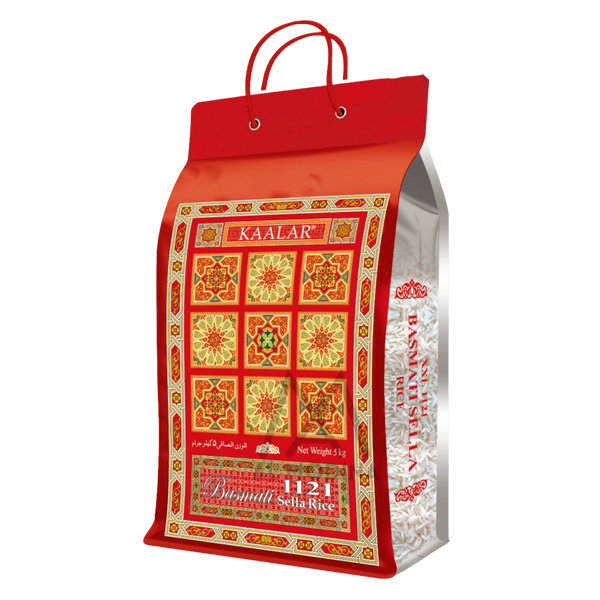
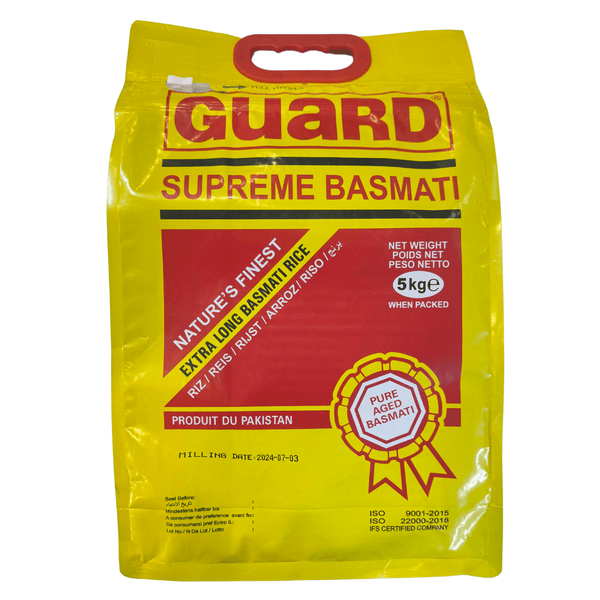
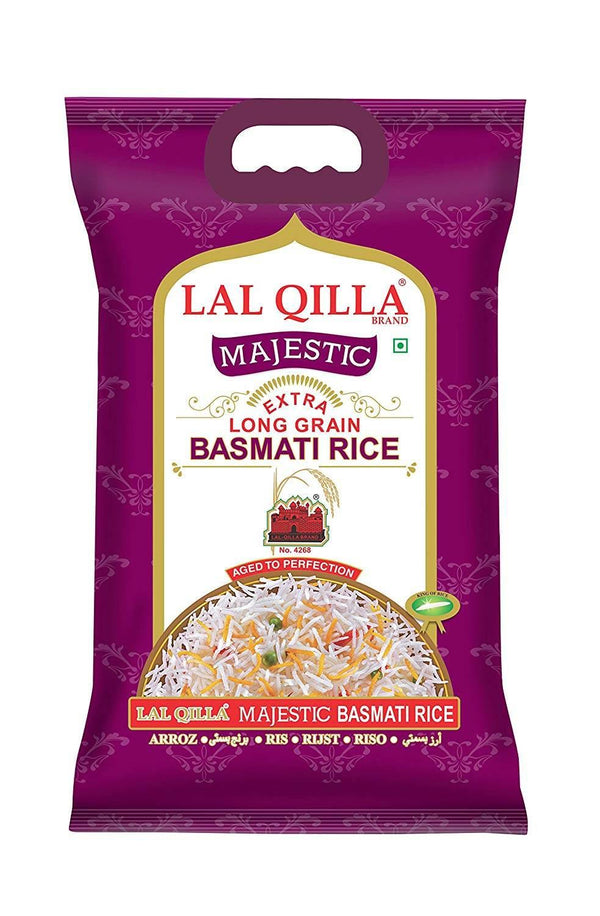
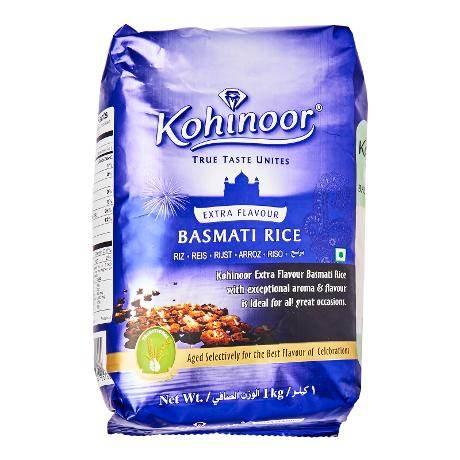
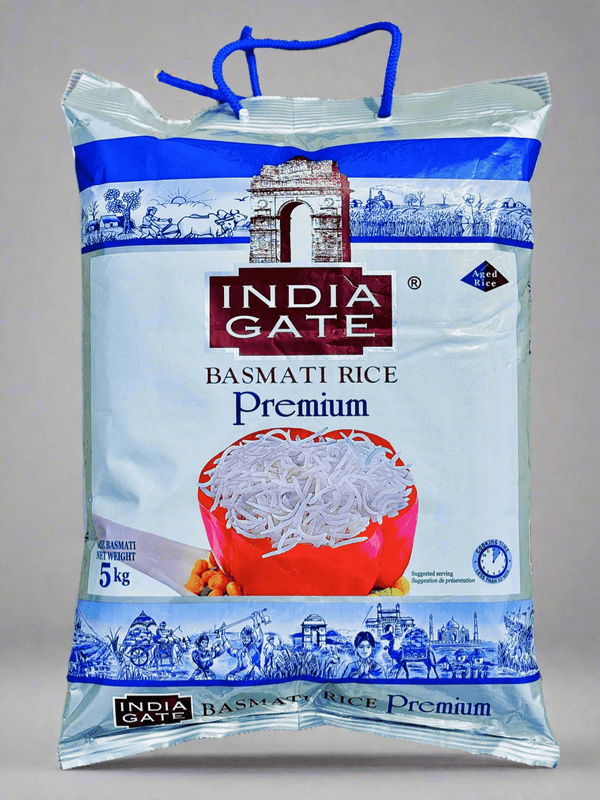
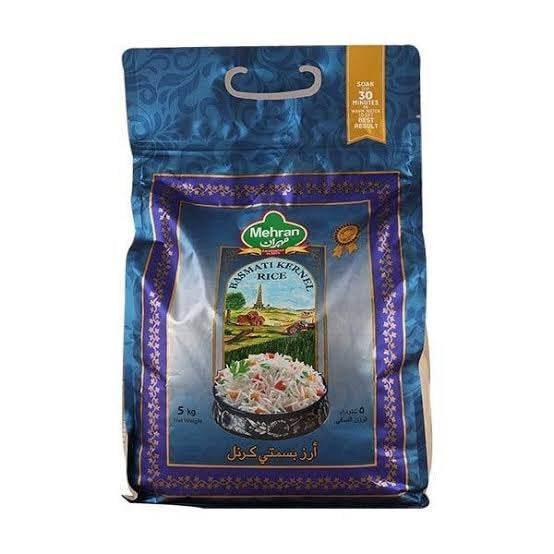
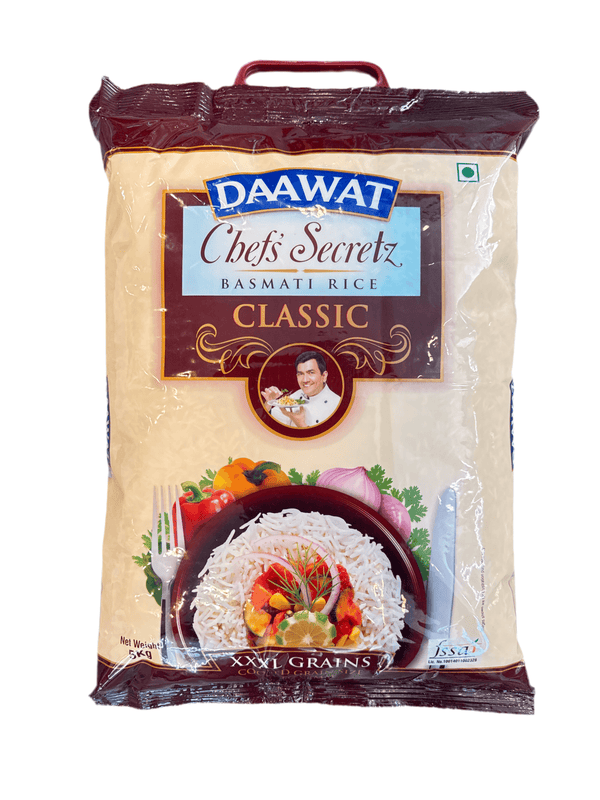
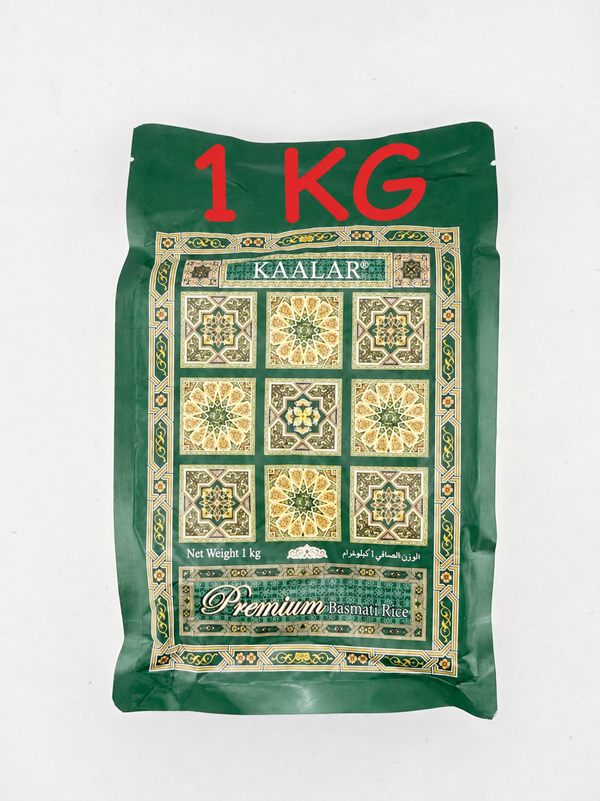
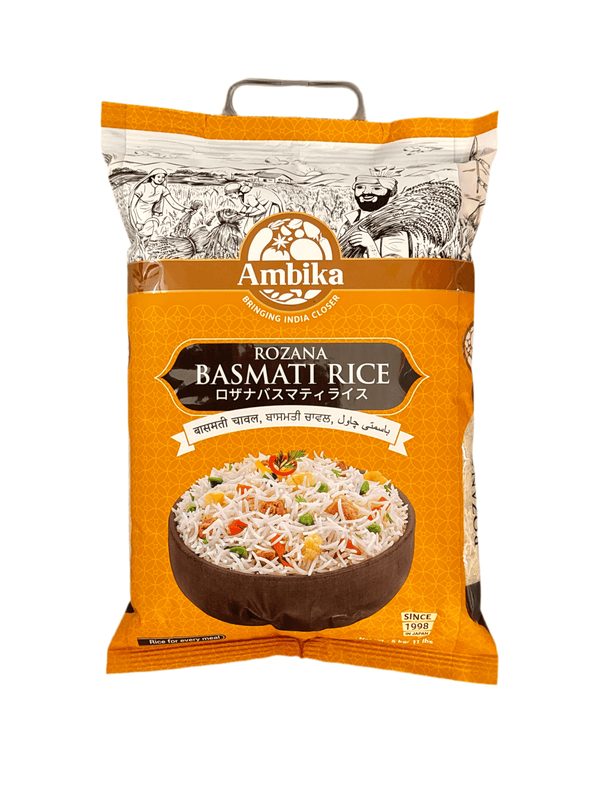
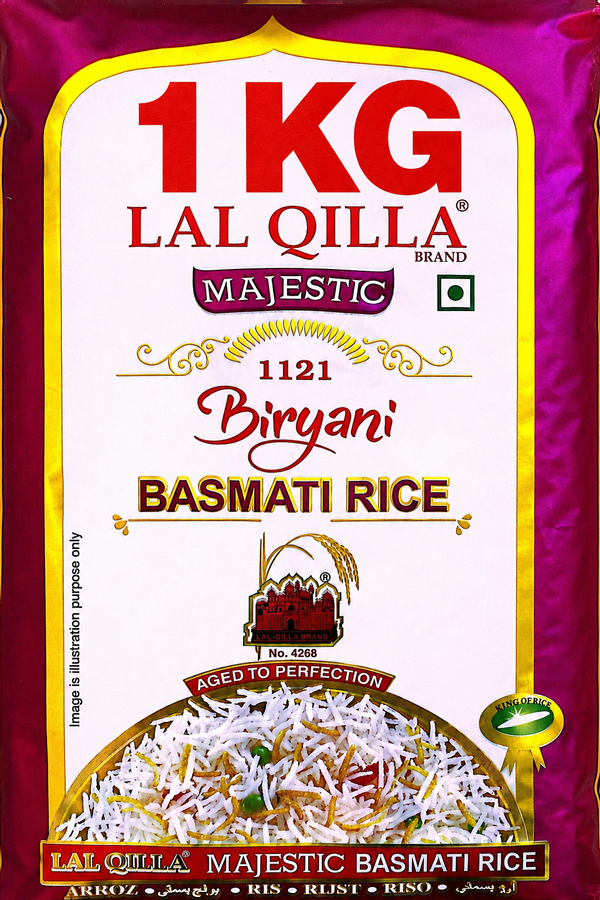
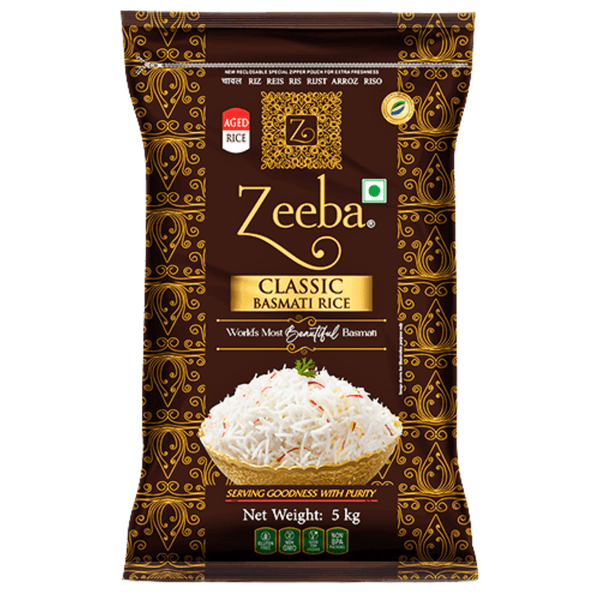
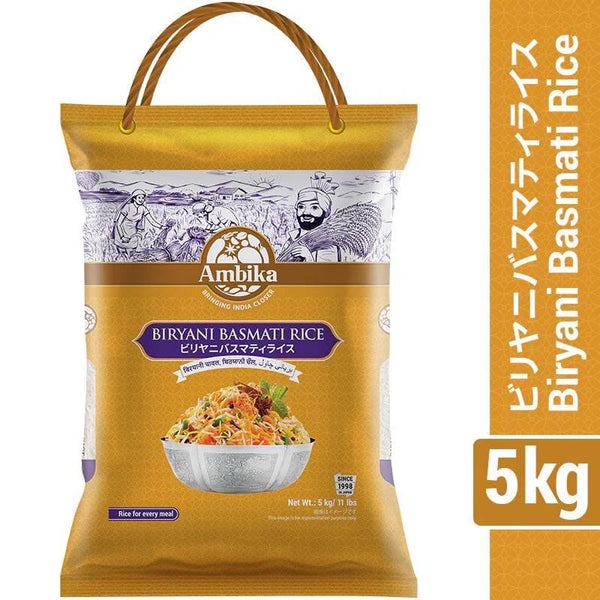
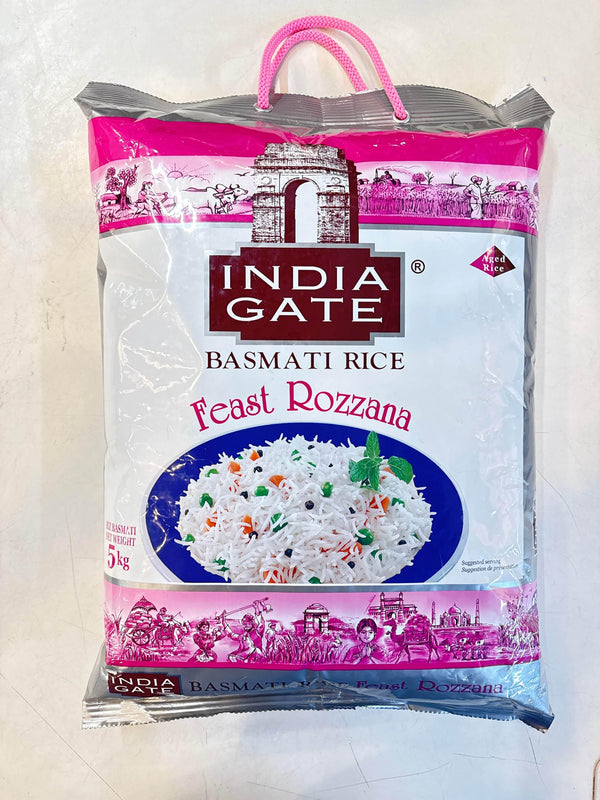
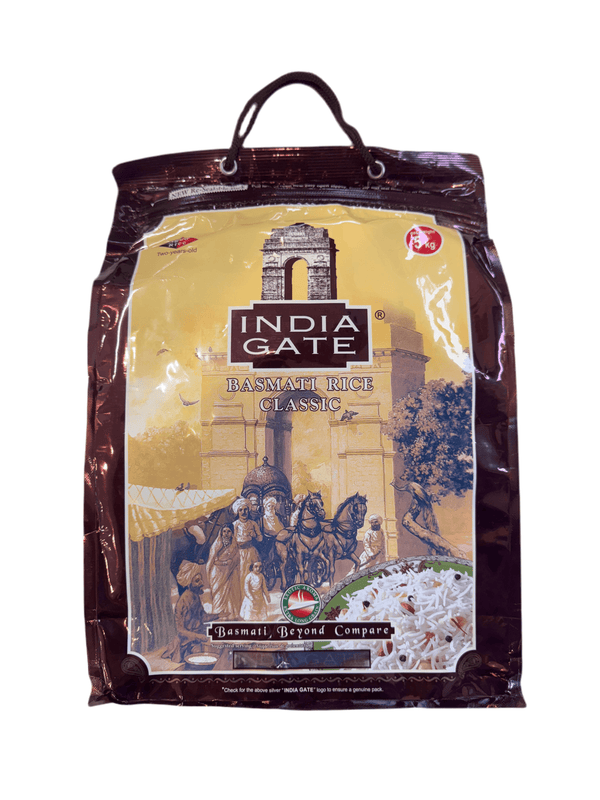
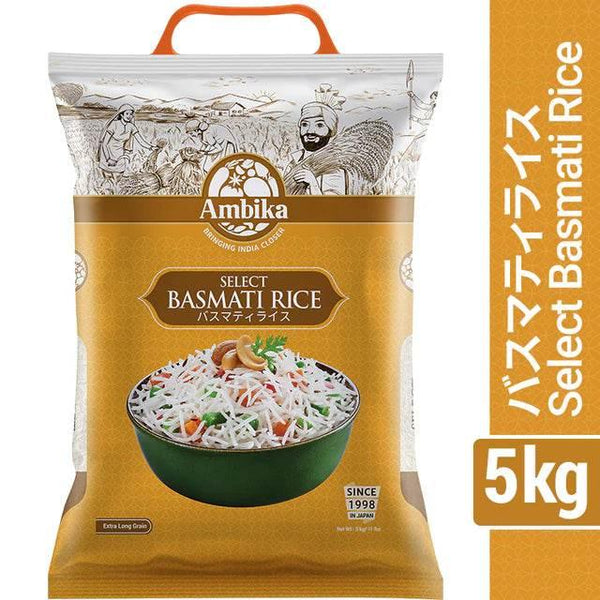
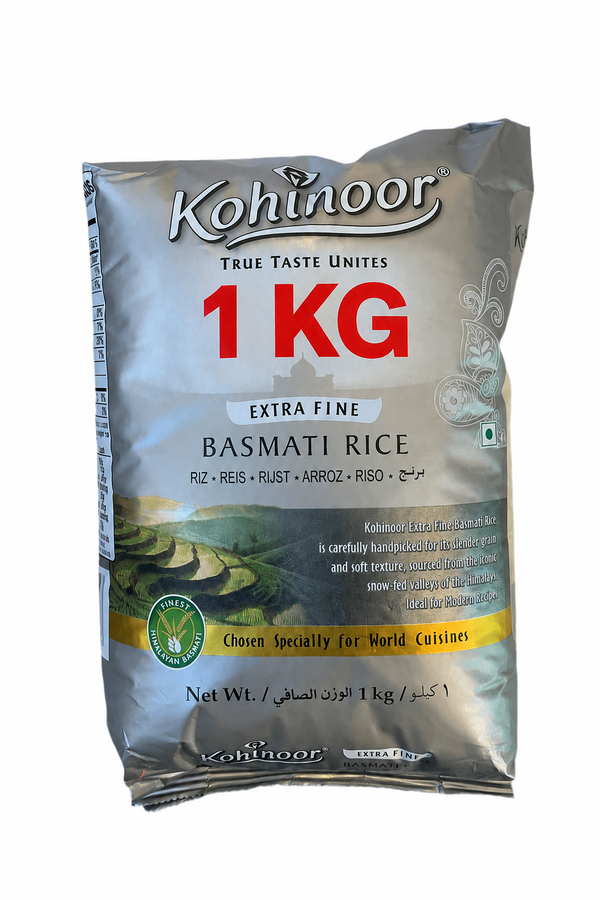
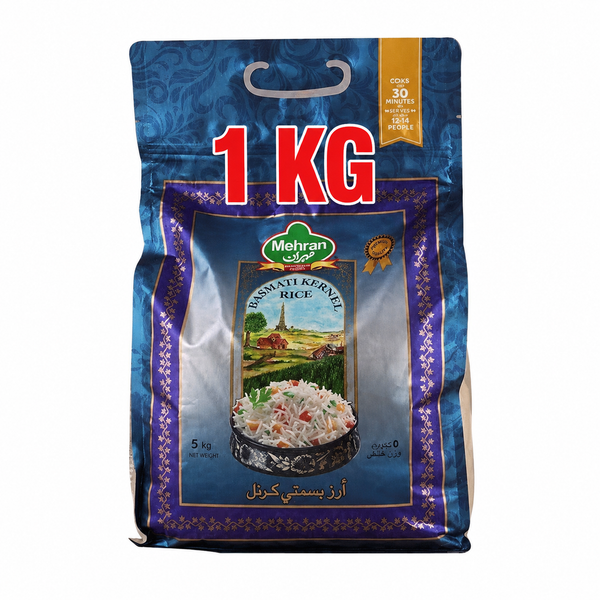
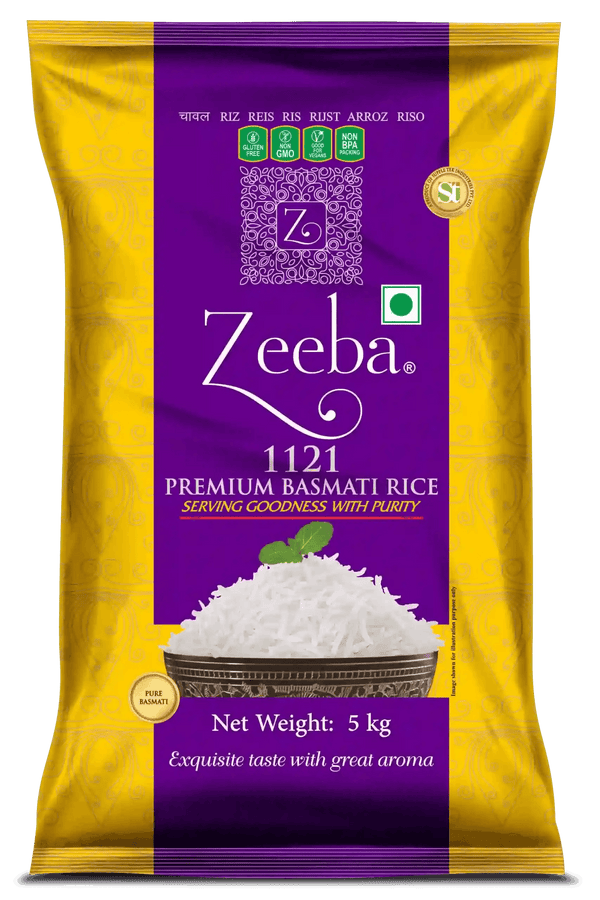
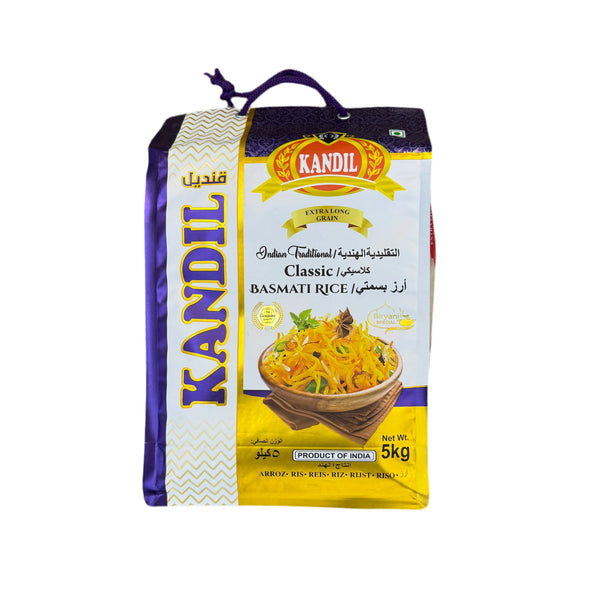
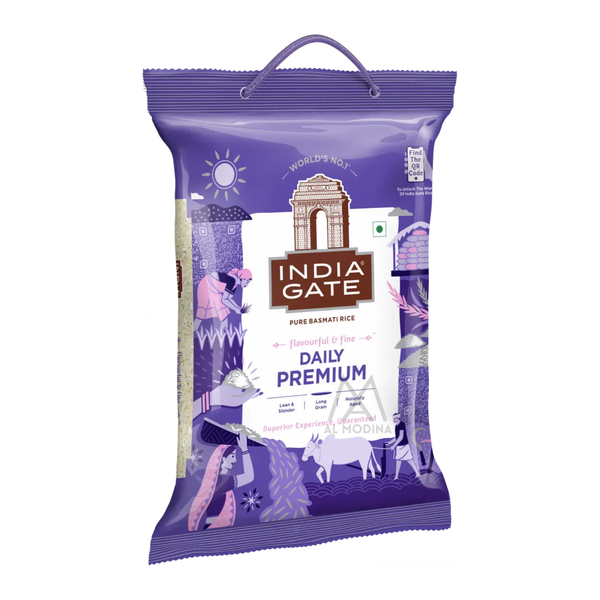
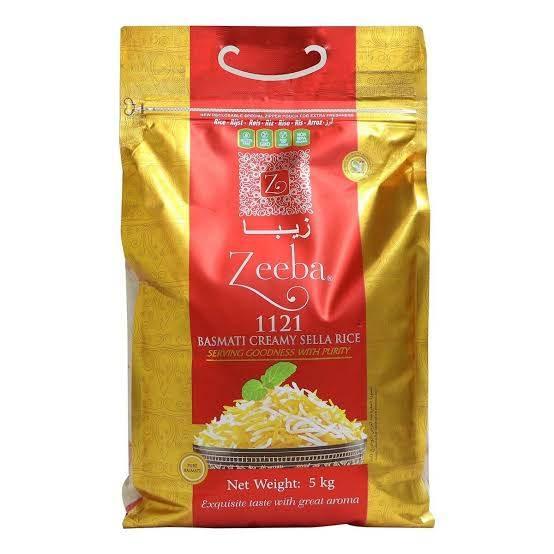
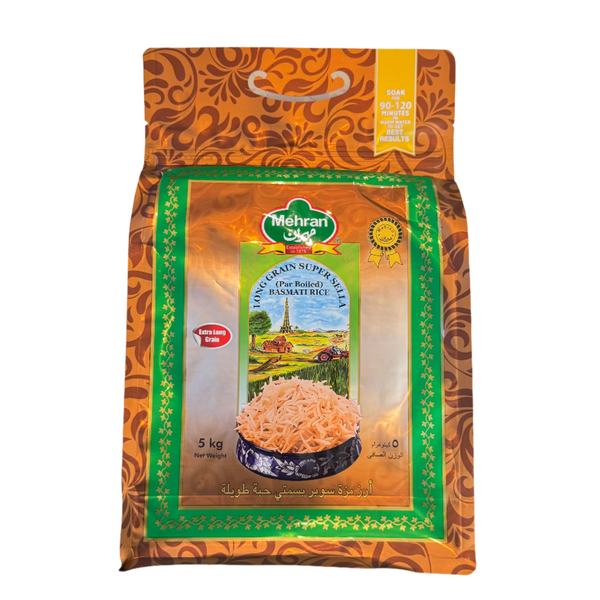
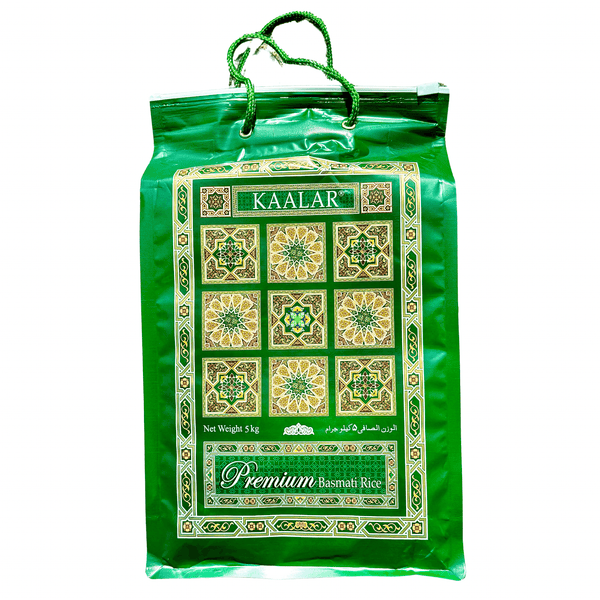
Our Basmati rice collection may include products from well-known rice brands such as India Gate, Daawat, Lal Qilla, Kaalar, Guard, Kohinoor, Falak, Zeeba, Ambika, and other brands depending on stock.

Brand availability and package sizes can change, so please check the products displayed in this collection for the latest selection.

This gives customers the option to compare different Basmati varieties rather than being limited to a single brand.

Which Basmati Rice Should You Choose?

Choosing Basmati rice becomes easier when you start with the dish you want to prepare.

For Biryani:
Choose a long-grain or premium Basmati variety with good grain separation.

For Pulao:
A fragrant Basmati rice with a soft but separate texture works very well.

For Curry:
Standard or premium Basmati can both be suitable depending on your preference.

For Kabsa or Mandi:
Choose a Basmati variety capable of absorbing broth and spices while keeping the grains separate.

For Everyday Meals:
A regular Basmati variety can provide a good balance between quality, convenience, and value.

How to Cook Basmati Rice

Cooking methods can vary between brands, so the instructions printed on the package should always be followed first.

A common preparation method is:

  1. Measure the amount of rice required.
  2. Rinse gently with cool water.
  3. Continue rinsing until excess surface starch is reduced.
  4. Soak the rice if recommended for that variety.
  5. Drain before cooking.
  6. Add the appropriate amount of water.
  7. Cook without stirring excessively.
  8. Allow the rice to rest briefly after cooking.
  9. Fluff gently before serving.

Soaking Basmati rice before cooking can help some varieties cook more evenly and elongate better.

However, soaking time and water ratio can differ depending on the rice, so always check the manufacturer's instructions.

How Much Basmati Rice Should You Buy?

Basmati rice is available in different package sizes, and the best size depends on your household.

Small Packs

Smaller packs are useful when trying a new brand or when Basmati rice is only used occasionally.

Medium Packs

Medium-sized packages work well for households that regularly prepare biryani, pulao, curry, and other rice dishes.

Large Packs

Larger bags are convenient for families, restaurants, shared households, and anyone who cooks Basmati rice frequently.

They can also reduce how often you need to reorder rice.

Before buying a large package, make sure you have enough dry storage space at home.

How to Store Basmati Rice

Proper storage helps maintain the aroma and quality of your rice.

Keep unopened rice in a cool and dry place away from direct sunlight.

After opening, it is helpful to keep rice in a clean, airtight container. This can help protect it from:

  • Moisture
  • Humidity
  • Insects
  • Strong food odors
  • Kitchen contaminants

Because summers in Japan can be warm and humid, keeping dry foods properly sealed is particularly important.

Always follow any storage instructions provided on the original packaging.

Basmati Rice vs Jasmine Rice

Both Basmati and Jasmine are aromatic long-grain rice varieties, but they are not the same.

Basmati rice generally has longer grains and tends to remain more separate and fluffy after cooking.

Jasmine rice is usually softer and slightly more moist or sticky.

For South Asian biryani, pulao, and many Middle Eastern dishes, Basmati is normally the preferred choice.

For Thai and Southeast Asian dishes, Jasmine rice is often more suitable.

Basmati Rice vs Japanese Rice

Japanese rice is very different from Basmati.

Japanese short-grain rice becomes soft and sticky, allowing the grains to hold together. This makes it suitable for sushi, onigiri, Japanese curry, and everyday Japanese meals.

Basmati rice has longer grains and is generally much less sticky.

If you are cooking biryani, pulao, kabsa, or South Asian curry, Basmati is usually the better option.

Why Buy Basmati Rice Online in Japan?

Finding a large selection of authentic Basmati rice can sometimes be difficult in ordinary Japanese supermarkets.

Shopping online allows you to compare different:

  • Brands
  • Grain qualities
  • Package sizes
  • Rice types
  • Prices

It is also much more convenient when purchasing heavy bags of rice.

With AL MODINA, you can order Basmati rice together with other grocery items such as halal meat, spices, lentils, flour, oil, ghee, sauces, vegetables, and cooking essentials.

Basmati Rice for International Families in Japan

AL MODINA serves customers from many different communities living across Japan.

For Bangladeshi, Pakistani, Indian, Nepali, Middle Eastern, and other families who regularly cook rice-based dishes, having access to familiar rice varieties can make home cooking much easier.

Instead of replacing traditional ingredients with whatever is available locally, you can choose rice that better matches the original recipe.

This is especially important for dishes such as biryani and pulao, where the rice itself plays a major role in the final result.

Frequently Asked Questions About Basmati Rice

Which Basmati rice is best for biryani?

Long-grain premium Basmati is generally a very good option for biryani. Look for rice that produces long, separate grains after cooking.

Do I need to soak Basmati rice?

Many Basmati varieties benefit from soaking, especially when preparing biryani or pulao. However, follow the instructions provided by the specific brand.

Can I use Basmati rice for everyday meals?

Yes. Basmati can be used with curry, grilled meat, vegetables, lentils, and many everyday dishes.

Is Basmati rice the same as ordinary long-grain rice?

No. Basmati is a specific aromatic long-grain rice known for its fragrance and characteristic grain shape.

Can Basmati rice be cooked in a rice cooker?

Many varieties can be prepared in a rice cooker, but the water ratio may differ from Japanese rice. Follow the rice package or rice cooker instructions.

Which package size should I choose?

A smaller bag is convenient for occasional use, while larger packages may be more practical for households that cook rice frequently.

Do you always have the same Basmati brands available?

Our selection can change according to inventory. Please check this collection for the latest available products, brands, and sizes.

Shop Basmati Rice in Japan from AL MODINA

Explore our Basmati rice collection and choose the variety that suits your cooking style, preferred brand, and household size.

Whether you are preparing fragrant biryani, traditional pulao, spicy curry, kabsa, mandi, or a simple everyday meal, the right Basmati rice can make a noticeable difference.

Shop Basmati rice online in Japan from AL MODINA Halal Food Japan and order your rice together with the meat, spices, oil, ghee, lentils, and other ingredients you need for your favorite dishes.
31点の商品

31点の商品

Buy Basmati Rice Online in Japan

Looking for high-quality Basmati rice in Japan? AL MODINA Halal Food Japan offers a wide selection of aromatic long-grain Basmati rice for biryani, pulao, curry, kabsa, mandi, pilaf, and everyday meals.

Basmati rice is famous for its distinctive aroma, long slender grains, and light, fluffy texture after cooking. When prepared correctly, the grains remain separate and can elongate beautifully, making Basmati one of the most popular rice varieties for South Asian and Middle Eastern cuisine.

Whether you are preparing a special biryani for guests or simply need reliable rice for everyday family meals, you can conveniently buy Basmati rice online in Japan from AL MODINA.

Our selection includes different brands, grain qualities, and package sizes depending on current availability.

What Makes Basmati Rice Special?

Basmati is different from ordinary rice because of its characteristic fragrance and long-grain texture.

Good Basmati rice generally has:

  • Long and slender grains
  • A naturally pleasant aroma
  • Light and fluffy texture
  • Good grain separation after cooking
  • Excellent ability to absorb spices and flavors
  • A texture suited to layered rice dishes

These characteristics make it especially popular for dishes where rice is one of the main ingredients rather than simply a side dish.

Basmati Rice for Biryani

Biryani is one of the dishes where choosing the right rice matters most.

Long-grain Basmati rice works particularly well because the grains can remain separate while absorbing the aroma and flavor of meat, spices, herbs, and other ingredients.

Basmati rice can be used for many styles of biryani, including:

  • Bangladeshi biryani
  • Pakistani biryani
  • Indian biryani
  • Kacchi biryani
  • Chicken biryani
  • Beef biryani
  • Mutton biryani
  • Hyderabadi-style biryani

For an attractive biryani, look for Basmati rice with long, consistent grains and follow the cooking instructions for the specific brand.

Basmati Rice for Pulao and Pilaf

Basmati rice is also an excellent choice for pulao and pilaf.

Its fragrance works especially well with spices, meat, vegetables, nuts, raisins, and other ingredients commonly used in these dishes.

You can use Basmati rice for:

  • Bangladeshi polao
  • Pakistani pulao
  • Indian pulao
  • Vegetable pulao
  • Chicken pulao
  • Beef pulao
  • Mutton pulao
  • Middle Eastern pilaf

Because the grains remain relatively separate after cooking, Basmati gives pulao its familiar light and elegant texture.

Basmati Rice for Kabsa, Mandi and Middle Eastern Dishes

Basmati rice is widely used in Middle Eastern rice dishes as well.

Its long grains and ability to absorb meat broth and spices make it suitable for dishes such as:

  • Kabsa
  • Mandi
  • Machboos
  • Spiced rice
  • Meat and rice platters
  • Grilled chicken with rice
  • Lamb and rice dishes

If you regularly prepare South Asian or Middle Eastern food in Japan, keeping quality Basmati rice at home can make everyday cooking much easier.

Premium and Everyday Basmati Rice

Not every Basmati rice product is exactly the same.

Different brands and varieties can vary in:

  • Grain length
  • Aroma
  • Texture
  • Broken-grain percentage
  • Processing method
  • Aging
  • Country of origin
  • Package size

Premium Basmati is often selected for special dishes such as biryani, while standard varieties can be excellent for everyday meals.

The best choice depends on what you are cooking, how frequently you use rice, and your preferred texture.

Popular Basmati Rice Brands

Our Basmati rice collection may include products from well-known rice brands such as India Gate, Daawat, Lal Qilla, Kaalar, Guard, Kohinoor, Falak, Zeeba, Ambika, and other brands depending on stock.

Brand availability and package sizes can change, so please check the products displayed in this collection for the latest selection.

This gives customers the option to compare different Basmati varieties rather than being limited to a single brand.

Which Basmati Rice Should You Choose?

Choosing Basmati rice becomes easier when you start with the dish you want to prepare.

For Biryani:
Choose a long-grain or premium Basmati variety with good grain separation.

For Pulao:
A fragrant Basmati rice with a soft but separate texture works very well.

For Curry:
Standard or premium Basmati can both be suitable depending on your preference.

For Kabsa or Mandi:
Choose a Basmati variety capable of absorbing broth and spices while keeping the grains separate.

For Everyday Meals:
A regular Basmati variety can provide a good balance between quality, convenience, and value.

How to Cook Basmati Rice

Cooking methods can vary between brands, so the instructions printed on the package should always be followed first.

A common preparation method is:

  1. Measure the amount of rice required.
  2. Rinse gently with cool water.
  3. Continue rinsing until excess surface starch is reduced.
  4. Soak the rice if recommended for that variety.
  5. Drain before cooking.
  6. Add the appropriate amount of water.
  7. Cook without stirring excessively.
  8. Allow the rice to rest briefly after cooking.
  9. Fluff gently before serving.

Soaking Basmati rice before cooking can help some varieties cook more evenly and elongate better.

However, soaking time and water ratio can differ depending on the rice, so always check the manufacturer's instructions.

How Much Basmati Rice Should You Buy?

Basmati rice is available in different package sizes, and the best size depends on your household.

Small Packs

Smaller packs are useful when trying a new brand or when Basmati rice is only used occasionally.

Medium Packs

Medium-sized packages work well for households that regularly prepare biryani, pulao, curry, and other rice dishes.

Large Packs

Larger bags are convenient for families, restaurants, shared households, and anyone who cooks Basmati rice frequently.

They can also reduce how often you need to reorder rice.

Before buying a large package, make sure you have enough dry storage space at home.

How to Store Basmati Rice

Proper storage helps maintain the aroma and quality of your rice.

Keep unopened rice in a cool and dry place away from direct sunlight.

After opening, it is helpful to keep rice in a clean, airtight container. This can help protect it from:

  • Moisture
  • Humidity
  • Insects
  • Strong food odors
  • Kitchen contaminants

Because summers in Japan can be warm and humid, keeping dry foods properly sealed is particularly important.

Always follow any storage instructions provided on the original packaging.

Basmati Rice vs Jasmine Rice

Both Basmati and Jasmine are aromatic long-grain rice varieties, but they are not the same.

Basmati rice generally has longer grains and tends to remain more separate and fluffy after cooking.

Jasmine rice is usually softer and slightly more moist or sticky.

For South Asian biryani, pulao, and many Middle Eastern dishes, Basmati is normally the preferred choice.

For Thai and Southeast Asian dishes, Jasmine rice is often more suitable.

Basmati Rice vs Japanese Rice

Japanese rice is very different from Basmati.

Japanese short-grain rice becomes soft and sticky, allowing the grains to hold together. This makes it suitable for sushi, onigiri, Japanese curry, and everyday Japanese meals.

Basmati rice has longer grains and is generally much less sticky.

If you are cooking biryani, pulao, kabsa, or South Asian curry, Basmati is usually the better option.

Why Buy Basmati Rice Online in Japan?

Finding a large selection of authentic Basmati rice can sometimes be difficult in ordinary Japanese supermarkets.

Shopping online allows you to compare different:

  • Brands
  • Grain qualities
  • Package sizes
  • Rice types
  • Prices

It is also much more convenient when purchasing heavy bags of rice.

With AL MODINA, you can order Basmati rice together with other grocery items such as halal meat, spices, lentils, flour, oil, ghee, sauces, vegetables, and cooking essentials.

Basmati Rice for International Families in Japan

AL MODINA serves customers from many different communities living across Japan.

For Bangladeshi, Pakistani, Indian, Nepali, Middle Eastern, and other families who regularly cook rice-based dishes, having access to familiar rice varieties can make home cooking much easier.

Instead of replacing traditional ingredients with whatever is available locally, you can choose rice that better matches the original recipe.

This is especially important for dishes such as biryani and pulao, where the rice itself plays a major role in the final result.

Frequently Asked Questions About Basmati Rice

Which Basmati rice is best for biryani?

Long-grain premium Basmati is generally a very good option for biryani. Look for rice that produces long, separate grains after cooking.

Do I need to soak Basmati rice?

Many Basmati varieties benefit from soaking, especially when preparing biryani or pulao. However, follow the instructions provided by the specific brand.

Can I use Basmati rice for everyday meals?

Yes. Basmati can be used with curry, grilled meat, vegetables, lentils, and many everyday dishes.

Is Basmati rice the same as ordinary long-grain rice?

No. Basmati is a specific aromatic long-grain rice known for its fragrance and characteristic grain shape.

Can Basmati rice be cooked in a rice cooker?

Many varieties can be prepared in a rice cooker, but the water ratio may differ from Japanese rice. Follow the rice package or rice cooker instructions.

Which package size should I choose?

A smaller bag is convenient for occasional use, while larger packages may be more practical for households that cook rice frequently.

Do you always have the same Basmati brands available?

Our selection can change according to inventory. Please check this collection for the latest available products, brands, and sizes.

Shop Basmati Rice in Japan from AL MODINA

Explore our Basmati rice collection and choose the variety that suits your cooking style, preferred brand, and household size.

Whether you are preparing fragrant biryani, traditional pulao, spicy curry, kabsa, mandi, or a simple everyday meal, the right Basmati rice can make a noticeable difference.

Shop Basmati rice online in Japan from AL MODINA Halal Food Japan and order your rice together with the meat, spices, oil, ghee, lentils, and other ingredients you need for your favorite dishes.

最近閲覧した項目